How Documentaries Use Archival Footage (and Clear It)
Archival footage gives documentaries their texture and authority. Here's how filmmakers find it, edit with it, and clear the rights legally.
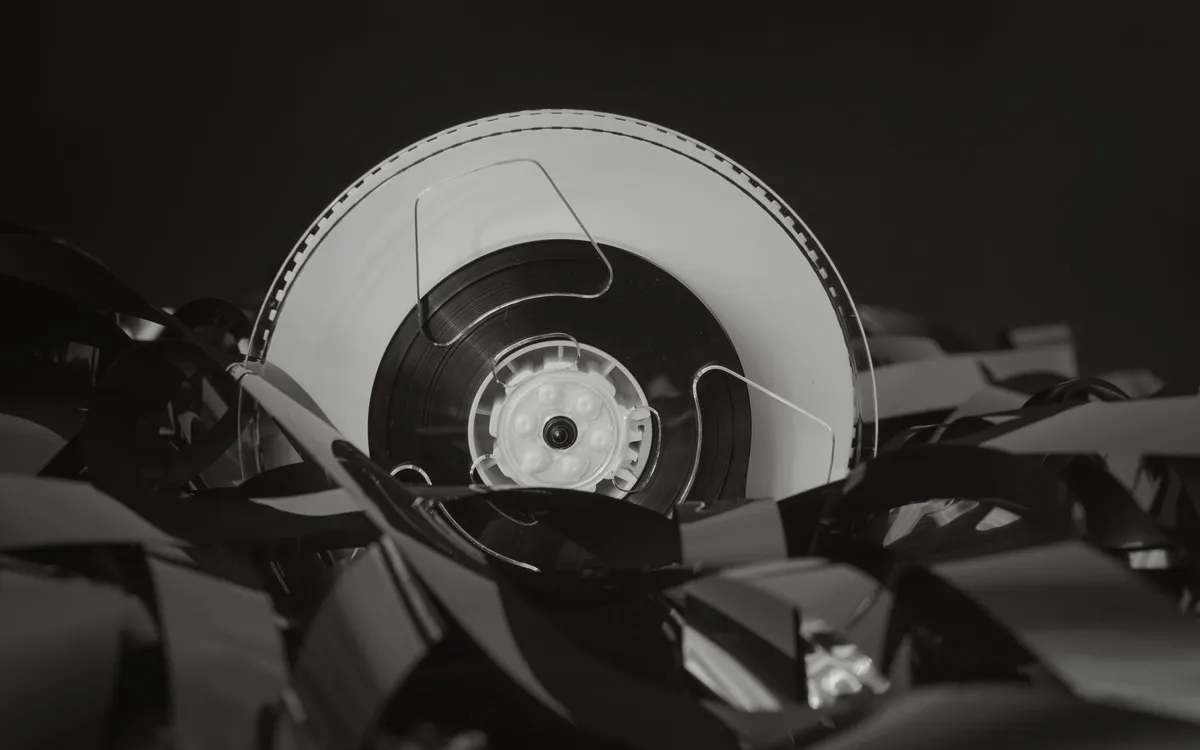
Some of the most powerful moments in documentary aren’t shot by the filmmaker at all. They’re unearthed: a scratchy home movie, a forgotten newsreel, a clip of a politician saying the thing they’d later deny. Archival footage gives nonfiction film its sense of weight and time. It’s also a logistical and legal minefield that can sink a project. The craft of using archive well is as much about lawyers and librarians as it is about editing.
Let’s split this into the two halves practitioners actually deal with: how you use the material creatively, and how you keep it from getting you sued.
What archival footage does for a film
Archive earns its keep in a few distinct ways, and good editors are deliberate about which job they’re asking a clip to do.
- Evidence. The clearest use: here is the thing happening, documented at the time. A speech, a protest, a disaster as it unfolded.
- Texture and period. Even non-specific footage — street scenes, advertisements, fashion — instantly grounds a film in its era.
- Irony and counterpoint. Cutting a confident old promise against the disappointing reality that followed. Archive is great at making history indict itself.
- Emotion. Home movies of someone now dead carry a charge no reenactment can match.
The danger is the “wallpaper” trap — laying generic stock footage under narration just to have something on screen. Lazy archive feels like filler and the audience senses it. The best archival editing treats every clip as a chosen argument, the same discipline that defines strong observational documentary work.
A clip isn’t context for the words. A well-placed clip is the argument; the words are commentary. Get that backwards and you’ve made a slideshow.
Compilation films: archive as the whole movie
Some documentaries are built almost entirely from existing footage. The “compilation film” has a long history, from Esfir Shub’s Soviet montages in the 1920s to The Atomic Cafe (1982), which assembled Cold War propaganda and educational films into a darkly funny indictment with no narration at all. More recently, Senna (2010) told a full biographical arc almost entirely through archive, proving you can build genuine drama without shooting a single new frame.
These films live or die on editing and structure, which makes them close cousins of the observational tradition even though the footage isn’t original. The author’s hand is in the selection, exactly the principle Bill Nichols’ framework keeps returning to in our breakdown of the six documentary modes.
Where the footage comes from
Practically speaking, archive comes from a handful of sources:
| Source | What you’ll find | Cost reality |
|---|---|---|
| Commercial libraries (Getty, AP, Reuters) | News, stock, historical | Licensed per second, can be steep |
| National & public archives | Government film, public-domain material | Often cheaper or free |
| Studios & broadcasters | Films, TV, music | Expensive, slow to clear |
| Private individuals | Home movies, photos | Cheap, but rights are murky |
Researchers (often called archive producers) specialize in tracking material down and, just as importantly, figuring out who actually owns it.
Clearing the rights: the part that hurts
Finding the footage is the easy half. Clearing it is where projects stall. Every piece of archive can carry layered rights: the footage owner, any music on the soundtrack, the performers, even the people visible on screen. A thirty-second news clip with a pop song playing in the background and a recognizable face might require three separate clearances.
A few realities every documentary maker learns:
- Licensing is usually per-second and per-territory and per-term. A clip cleared for festival screenings may need re-clearing for streaming, or for worldwide rights, often at much higher cost.
- Music is the silent budget-killer. A song audible in archive footage frequently needs separate sync and master licenses.
- Public domain is your friend, but verify it. Material falls into the public domain on schedules that vary by country and by when it was made; assumptions get people sued.
Fair use, the misunderstood lifeline
In the United States, fair use can permit unlicensed use of copyrighted material for purposes like criticism, commentary, news, and scholarship. Documentaries rely on it heavily, and the Center for Media & Social Impact’s “Documentary Filmmakers’ Statement of Best Practices in Fair Use” has been genuinely influential in giving filmmakers and their insurers a framework. But fair use is a defense, not a clear-cut permission, and it’s decided case by case. Most films carry errors-and-omissions insurance, and insurers want a clearance opinion before they’ll cover a fair-use claim.
This is squarely an ethics-and-responsibility question as much as a legal one — using someone’s image or work fairly and honestly. We dig into that broader terrain in our piece on documentary ethics.
A working approach
If you’re making a doc that leans on archive, the practical wisdom is to start clearance early and budget for it honestly. Treat archive research and rights as a line item from day one, not a panic in post. Keep meticulous records of every source and every license. And edit as if every clip costs money, because it does, which has the happy side effect of making you choosier and your film tighter.
Done well, archive is what lets a documentary reach beyond the present moment and put a subject in the long flow of history. Done carelessly, it’s a lawsuit and a wallpaper of meaningless B-roll. The difference is research, restraint, and a healthy fear of the rights holders. For more on the craft and business of nonfiction, the documentaries hub collects the rest of our coverage.
Some links on Indian Point Film are affiliate links: if you buy or subscribe through them we may earn a commission, at no extra cost to you. It never changes our recommendations.
Keep reading
Why 'Indian Point' Still Matters in the Nuclear Debate
Ivy Meeropol's portrait of an aging reactor on the Hudson is less about meltdowns than about who gets to decide what counts as safe.
Direct Cinema vs Cinéma Vérité: What's the Difference?
The fly on the wall versus the provocateur with a camera — the two great observational traditions are closer in look than in belief.
The Six Documentary Modes of Bill Nichols, Explained
Poetic, expository, observational, participatory, reflexive, performative — a working map of how documentaries actually behave.