Filmmaking
Documentary Voiceover: How to Record Pro Narration
Broadcast-ready narration depends far less on gear than beginners assume. Decide whether you need voiceover at all, treat the room, direct the read, then hit a real loudness target.
Editing, color, sound and the software and workflows behind a finished film.
The editing, color and audio tools we use to finish films. Subscribing through our partner links supports independent coverage.
Broadcast-ready narration depends far less on gear than beginners assume. Decide whether you need voiceover at all, treat the room, direct the read, then hit a real loudness target.
Improvisation is where footage dies. Name your shoot type, commit to 3-2-1, verify every copy, and run a wrap routine you can execute half-asleep.
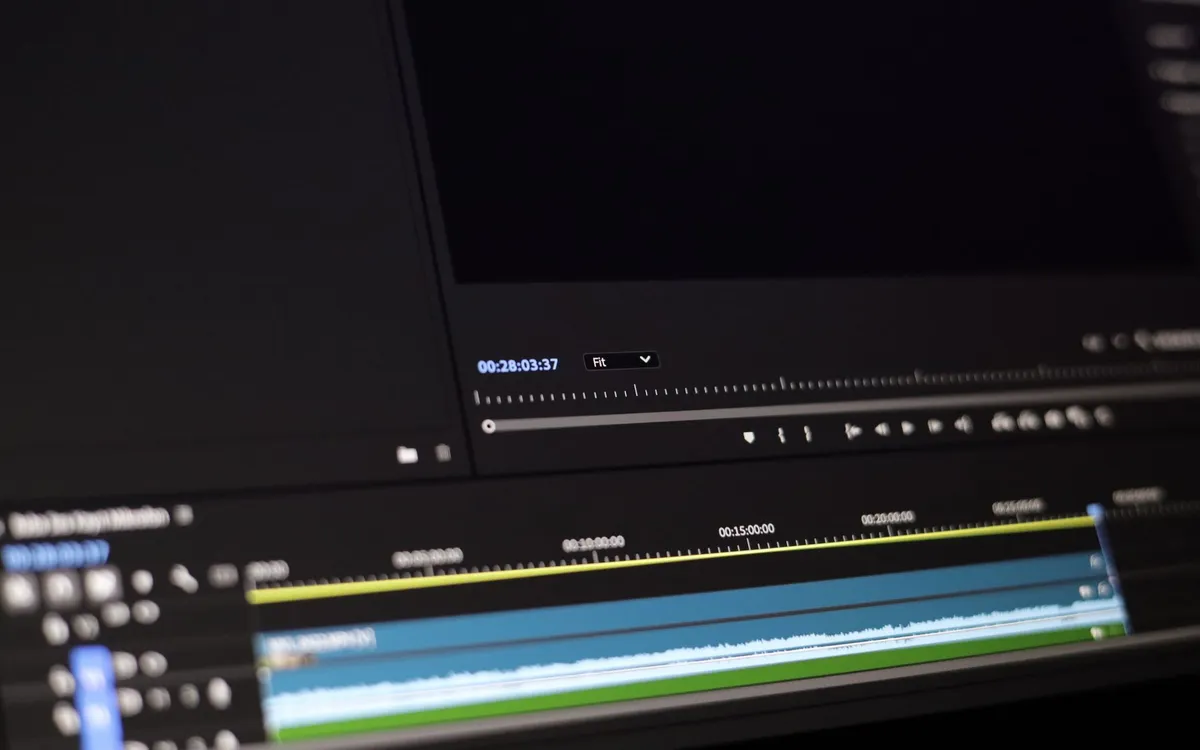
One is free and grew up in the color suite. The other has thirty years of editorial habits baked in. For documentary, the choice is closer than people think.
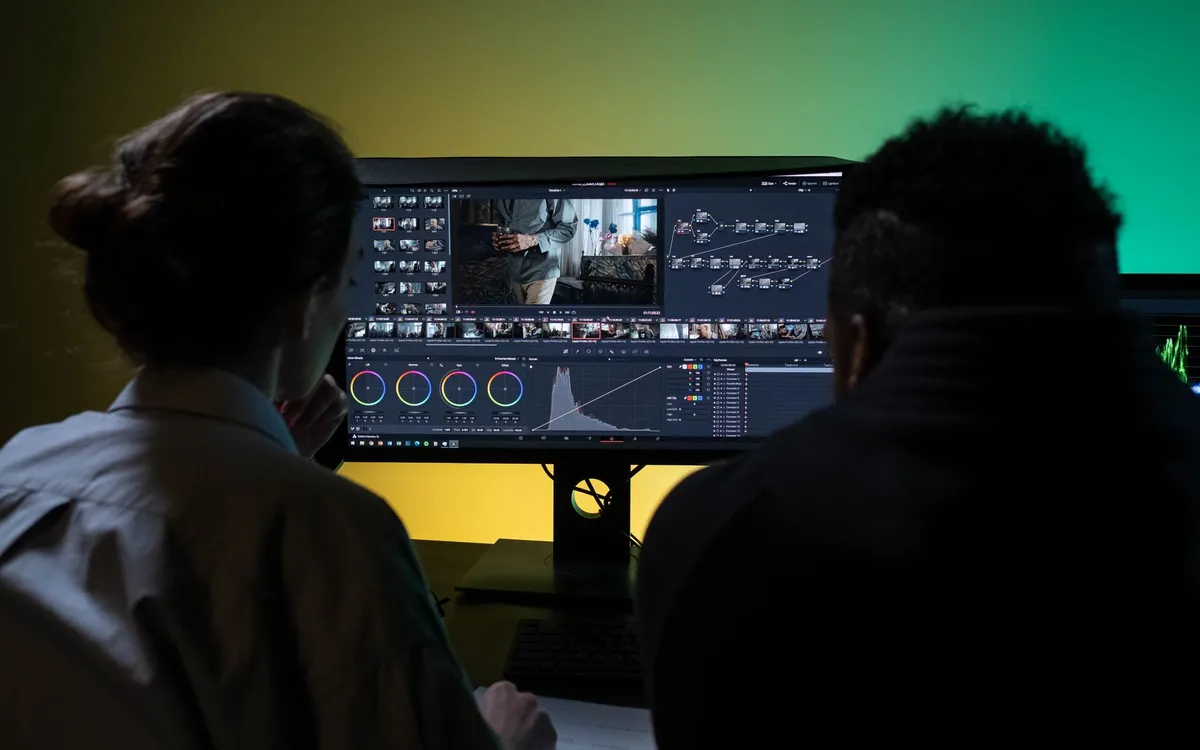
Documentary editing is an organization problem before it's a creative one. The best software is the one that keeps a thousand hours of footage findable.
The transcript is where the documentary starts to take shape. Get it right and the edit half-writes itself; get it wrong and you'll scrub tape for months.
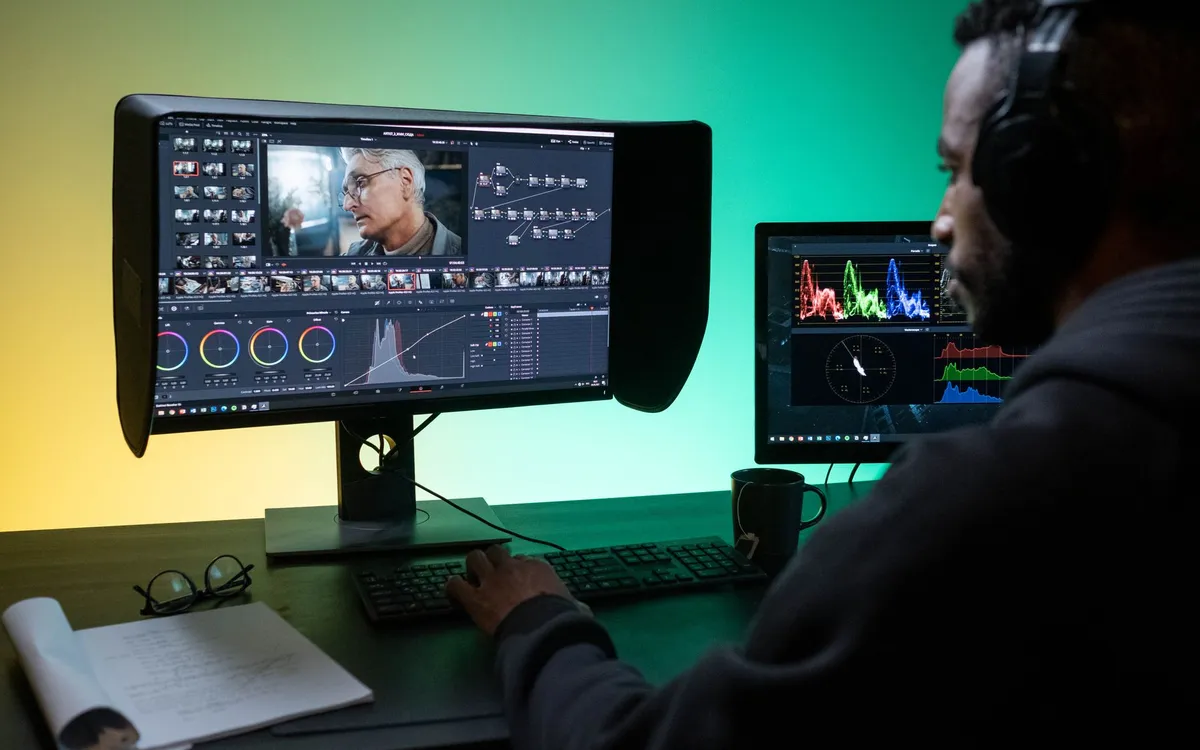
Documentary grading is mostly about making mismatched footage look like one film — and resisting the urge to make it look like a film it isn't.
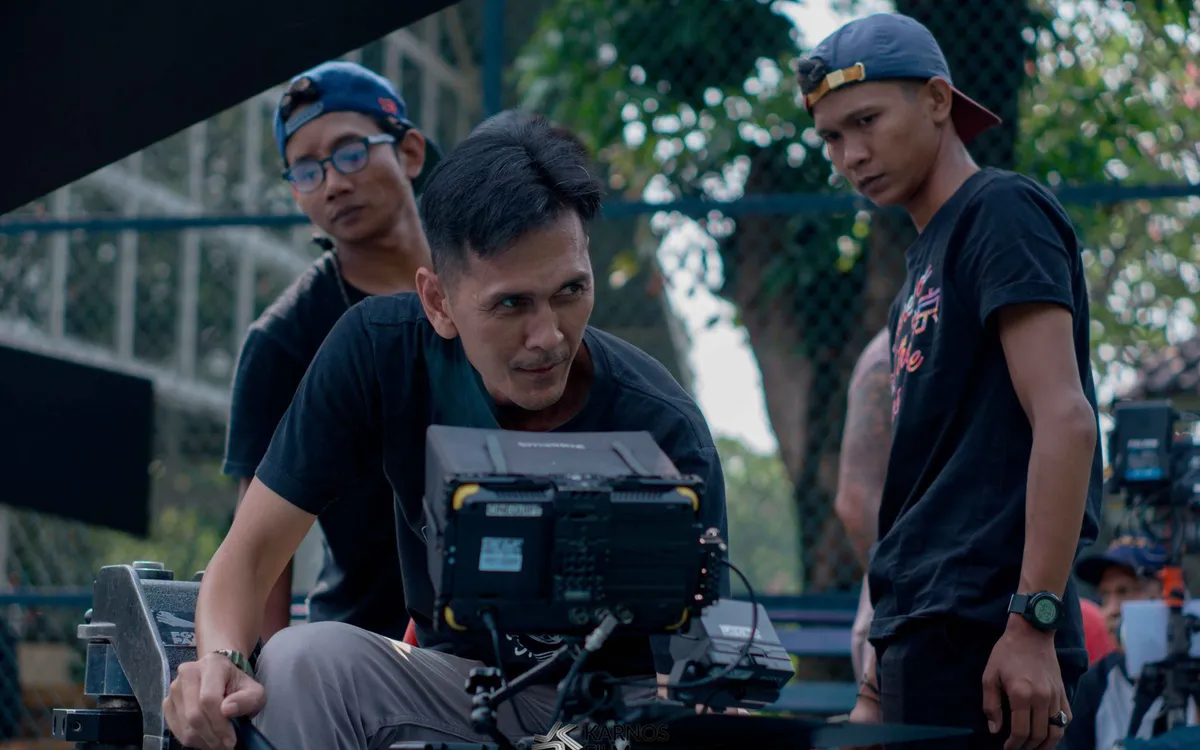
When notes arrive by email at three timecodes that don't exist, you need a proper review tool. Frame.io leads, but it isn't the only sane choice.
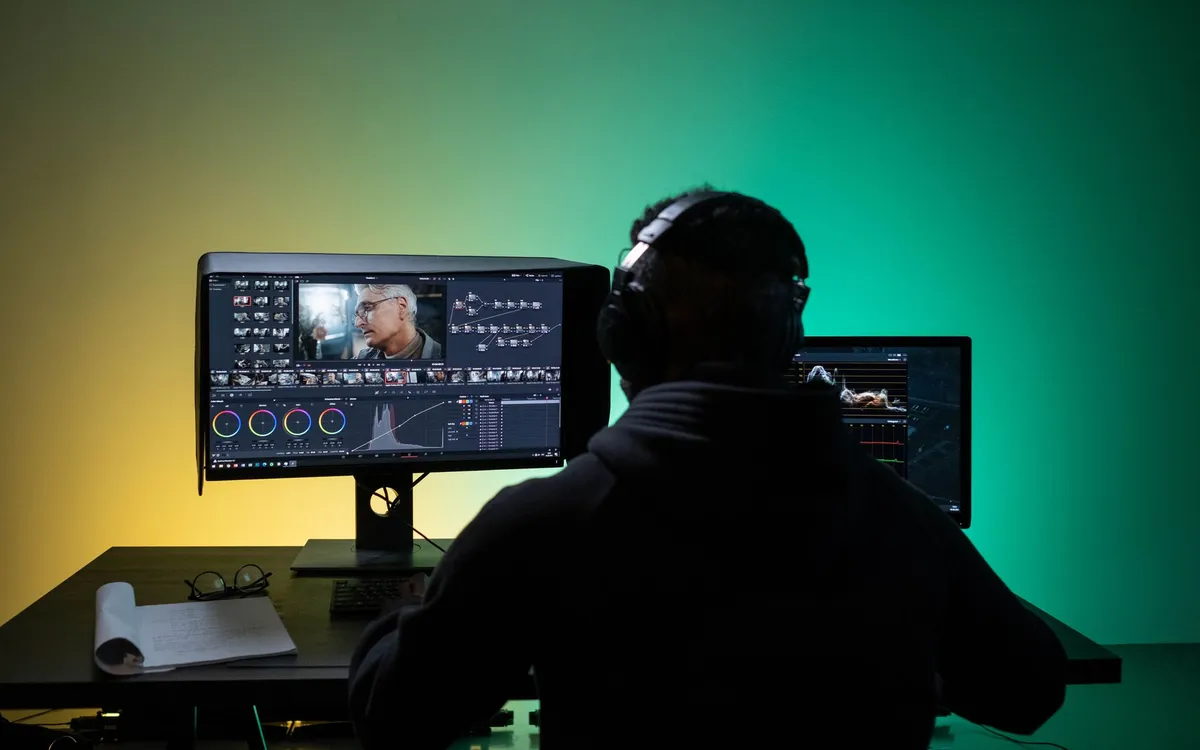
A feature doc lives for months and drowns in footage. The film gets made or lost in the workflow you set up before you cut a single frame.
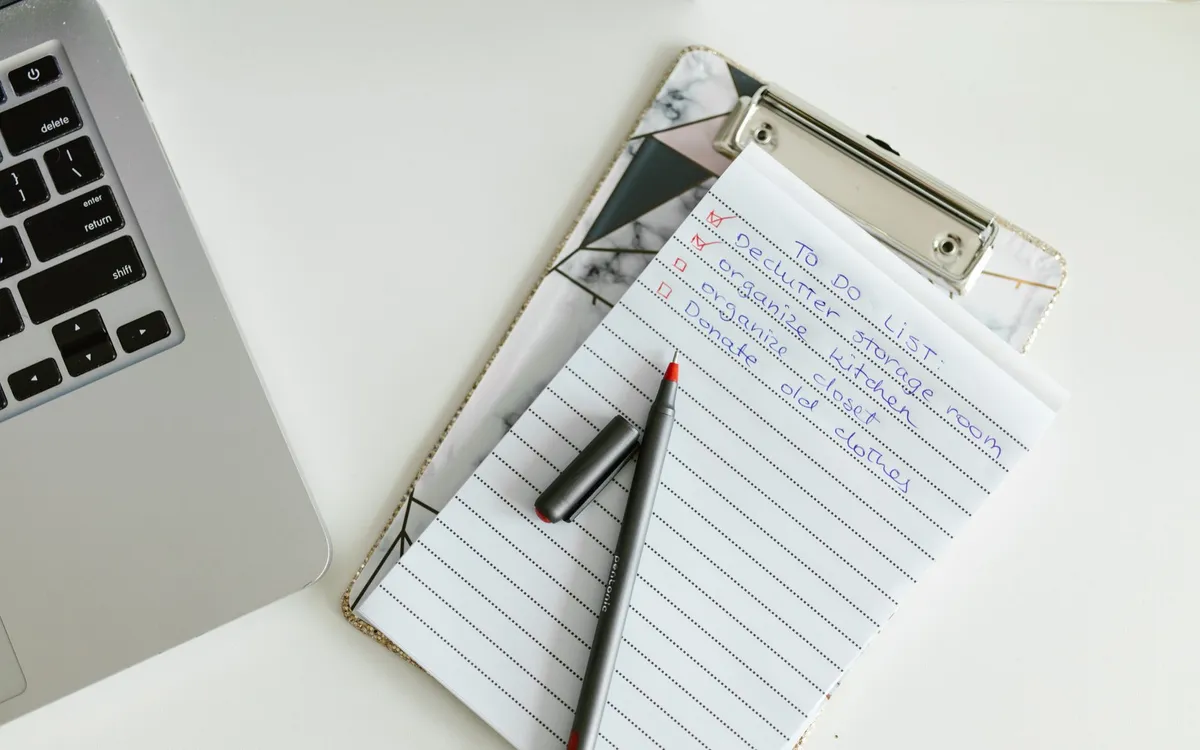
Picture lock feels like the finish line. It isn't. Deliverables are the unglamorous stage that decides whether your film can actually be shown.